
wellortho@welltrusttech.com
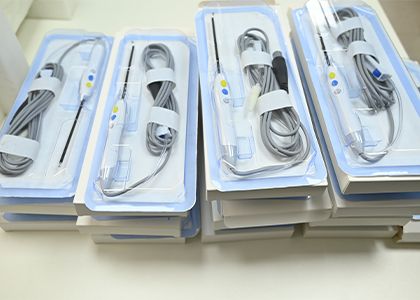
In orthopedic and ENT procedures, surgeons and operating-room teams need instruments that match the planned tissue application, surgical approach and equipment configuration. Disposable radiofrequency plasma surgical electrodes are designed for controlled interaction with soft tissue during procedures that may include cutting, ablation, coagulation and hemostasis. When evaluating a product, healthcare professionals usually review the electrode shape, working angle, hand control, suction design, dimensions and compatibility with the intended radiofrequency system.
The product information supplied for the Well Trust range presents several electrode designs for different anatomical areas and procedural requirements. The range includes hand-control configurations and models identified for use around the shoulder, knee, hip, spine and ENT applications. Final product selection should always be based on the clinical technique, the equipment instructions and the requirements of the healthcare facility.
Radiofrequency plasma surgical electrodes are surgical accessories used with compatible radiofrequency equipment. During use, the electrode delivers energy at the working tip to support a selected surgical action. Depending on the model, the tip may be shaped for access, tissue contact or a particular working direction. Disposable surgical electrodes are supplied for single-use workflows, helping the medical team manage product preparation and instrument tracking according to local procedures.
The Well Trust product information describes a square-wave radiofrequency design with a stated temperature range of 40–70°C. It also shows models with a self-contained suction channel intended to help discharge intraoperative waste fluid and support fluid management in the joint cavity. These specifications should be reviewed together with the applicable instructions for use rather than treated as a substitute for clinical training or device validation.
A suitable electrode should provide a working tip and angle appropriate for the planned access route. The Well Trust catalogue image shows different configurations for shoulder, knee, hip and spine procedures, as well as curved and angled tips for ENT-related applications. The correct model depends on the surgical site and the operator’s technique.
Easy-to-use hand controls can help the operator manage the instrument during a procedure. The illustrated range includes several control layouts, including products with different button arrangements. Before ordering, users should confirm how the controls correspond to the connected generator and the facility’s standard workflow.
The catalogue lists product models with different lengths, diameters and working angles. Examples shown in the product information include 3.8 mm diameter models with 135 mm length and 90° or 50° angles, along with other configurations for specific applications. A purchasing team should verify the exact model number, specification and package information before placing an order.
For procedures where fluid management is important, an integrated suction channel may be a useful selection point. The product description presents this feature as a way to discharge intraoperative waste fluid and help reduce fluid accumulation in the joint cavity. Its use must follow the device instructions and the healthcare facility’s operating protocol.
Well Trust provides a range of disposable radiofrequency plasma surgical electrodes intended for orthopedic and ENT procedure environments. The illustrated product family includes straight, curved and angled electrode tips, hand-control options and models arranged by application area. This format allows distributors, hospitals and clinical purchasing teams to compare the required working geometry with the planned procedure.
When contacting Well Trust, customers can provide the target application, required working angle, preferred length and compatible equipment information. This helps the supplier identify a suitable catalogue model without relying on assumptions. Model availability, regulatory status, packaging, storage conditions and instructions for use should be confirmed directly before purchase and clinical use.
The product information identifies applications including cutting, ablation, coagulation and hemostasis of soft tissue in orthopedics and ENT. The appropriate use depends on the specific model, compatible equipment and clinical protocol.
The range is described as disposable. Users should follow the product label, instructions for use and local disposal procedures for single-use medical devices.
Yes. The catalogue image shows multiple working geometries, including straight, curved and angled designs. The displayed specifications include several 50° and 90° options, while other models have their own listed dimensions.
Start with the surgical site, access route, required tip geometry, length, diameter, suction requirement and compatible radiofrequency system. Then confirm the model number and current documentation with Well Trust before ordering.
Tel: 86-18102187175
Whatsapp:86-18102187175
E-mail: wellortho@welltrusttech.com
Working Hours: Monday-Friday UTC+8: 9:00AM-6:00PM
Add1: 1-1301 Xindu Building, Wandezhuang Street, Wanxing Street, Nankai District, Tianjin, China
Registered address: Room 225, No.2 Huatian Rd., Huayuan Industrial Park, Binhai High-tech Zone, Tianjin, China.
Well Trust(Tianjin) Tech. Co.,Ltd